
Moving in Melbourne CBD
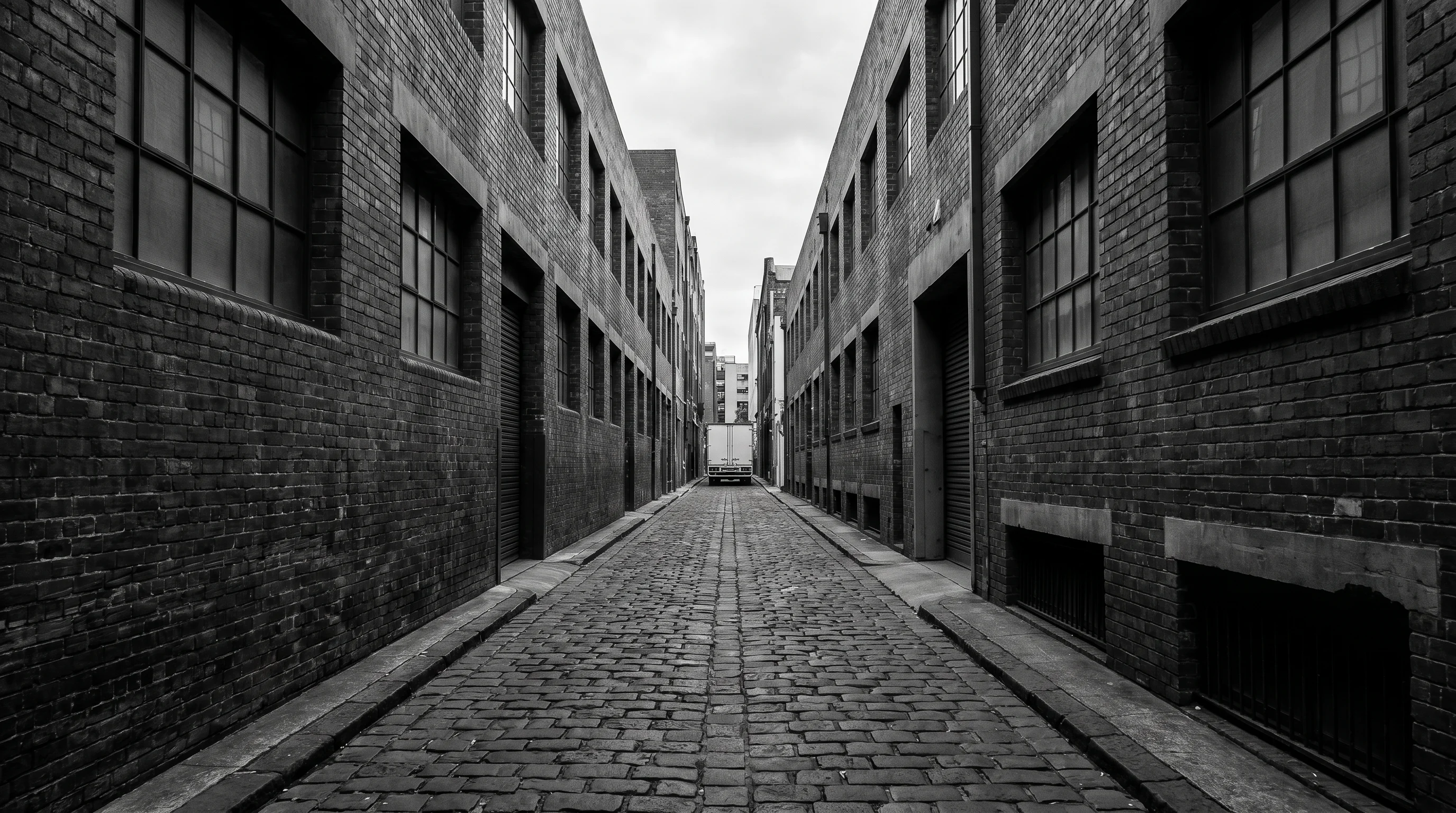
The Melbourne CBD runs on two incompatible grids: the Hoddle grid of 1837, with its wide boulevards and the narrow "little" streets at the mid-block, and the tower footprints punched above it in every decade since the 1980s. Moving here means reconciling those grids. The wide streets carry trams on most arterials, which means clearways and tow-zones at peak; the "little" streets (Little Collins, Little Bourke, Little Lonsdale) run along bluestone laneways where dock entries hide. Apartment stock ranges from post-2000 glass towers with building managers and booked lift windows to heritage office and warehouse conversions where the goods lift is a retrofit and corridor widths are unpredictable. There is nowhere to simply park and load in the core: the move is a City of Melbourne loading zone, a booked window and a building dock, with a certificate of currency the building manager expects before the dock is opened.
What decides a move here
Booking reality No one-day removalist permit exists; loading zones default to 30 minutes for commercial vehicles; building dock and goods-lift booking via building manager.
- Trams on most CBD arterials mean clearways and tow-zones at peak, we use a box truck timed outside clearway hours
- The "little" streets (Little Collins, Little Bourke, Little Lonsdale) are single-lane mid-block laneways with dock entries behind them
- Building stock is split: post-2000 towers with booked lift windows, and heritage conversions with retrofit lifts and narrow corridors
- City of Melbourne loading zones default to 30 minutes for commercial vehicles, no one-day removalist permit exists
Send the pickup and drop-off addresses with your quote, plus the floor and lift if you know them, and we will map the access, the booked window and the carry before move day.
Parking and loading zones in the City of Melbourne
The City of Melbourne does not issue a one-day removalist or tradesperson street-parking permit. The relevant on-street permit the council does offer is a construction parking permit, which requires a minimum six-month term and is designed for building sites, not moves. The realistic loading plan is a City of Melbourne loading zone combined with your building's own dock booking. Loading zones in the CBD default to a 30-minute limit for eligible commercial vehicles (goods or G-class with appropriate signage), and the vehicle must be actively loading, not parked. Many loading zones convert to two-hour general parking after 4pm. Clearways within 20 kilometres of the CBD are tow-away zones during posted times, so we confirm the clearway status of every relevant street before the truck moves. For buildings with a dedicated dock, the dock booking is the plan; the loading zone covers the street side of the shuttle.
Our Melbourne CBD removal services
Apartment & Home Removals
Whole-home moves through the loading dock and the goods lift, not the street.
Office & Commercial Moves
After-hours and weekend CBD office relocations around your dock window.
Single Items & Heavy Lifts
One sofa, a piano, a fridge, through the goods lift or up the bluestone stairs.
Packing & Unpacking
Pro packing and quality cartons, timed to your dock or lift window.
Interstate Removals
Moving on from Melbourne: Sydney, Brisbane, Canberra and beyond.
Storage Solutions
Short or long-term storage when settlement and lease dates do not line up.
Melbourne CBD removals: common questions
Can we park a removal truck on the street in Melbourne CBD?
Not for a standard move. The City of Melbourne has no one-day removalist parking permit. The realistic loading plan is a City of Melbourne loading zone (30-minute default for commercial vehicles, active loading only) combined with your building's own dock and goods-lift booking. We confirm the loading zone and clearway status of every street at both ends before the day.
My building manager says I need to book the goods lift, what does that mean?
Most CBD apartment buildings operate the goods or freight lift separately from the passenger lifts. The building manager, on behalf of the owners corporation, allocates a time slot during which the lift is padded, locked to your floor and supervised. We contact your building management in advance, confirm the lift internal dimensions and weight limit and book the window.
What is a certificate of currency and do I need one for a CBD move?
A certificate of currency is a letter from the removalist's insurer confirming active public liability cover, often with the owners corporation named as an interested party. Most CBD and Southbank buildings require this from any commercial contractor working on site before they will unlock the dock. Raise it when you get your quote, so the removalist can send it to your building manager before the day.
How much does a Melbourne CBD apartment move cost?
Our rates are $250 per hour for two movers and a truck, $350 for three movers and a truck, and $500 for four movers and two trucks, and you get a clear indicative quote up front for your specific move.